Africans and the folly of European football
Warning: Undefined array key 0 in /home2/cityrevi/public_html/wp-content/themes/_city/single.php on line 65
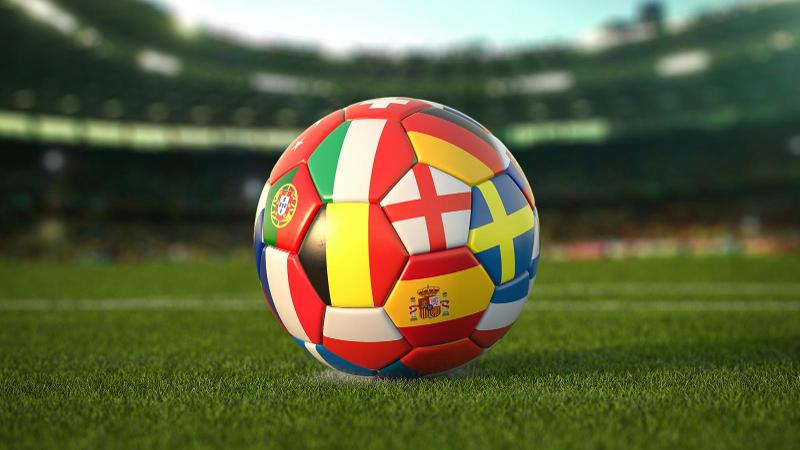
The UEFA Euro 2020, one of the most glorious tournaments in European football, wrapped up this month. And, we watched with disgust yet another heart-wrecking moment of racism in a sport considered the “most beautiful”.
That beauty came crumbling at Wembley Stadium when England lost to Italy in the final of the tournament. The former were beaten 3 – 2 on penalty shootout after the normal and extra time ended squarely in a 1 – 1 draw.
Marcus Rashford, 23, Jadon Sancho, 21, and Bukayo Saka, 19, all of the African descent, missed their spot-kicks in front of the predominantly white soccer fans. With expectations at a record high, the defeat left English fans dejected.
The three lads, all black, were subjected to racial abuse. An English fan quoted by the BBC said England were beaten because the three players were black. But the same players took England through to the final. They were just expected to keep the team winning to remain relevant.
Damage control
After the game, there was a defeat. There were racist slurs. And then, the damage control.
After the racist incident, English players showed solidarity and ‘condemned’ their fans. European football governing body UEFA called it a “disgusting racist abuse”.
Prime Minister Boris Johnson weighed in saying, “This England team deserve to be lauded as heroes, not racially abused on social media.” Johnson did not condemn an incident in which these players were jeered by fans for taking a knee in fight against racial inequality.
In the Withington area of Manchester from where Rashford hails, the abuse on the mural was covered by stickers with phrases and words like “We love you”, “Hero” and so on.
Gareth Southgate, England manager and Football Association spoke against the abuse suffered by the three players.
While some of these sympathies are heartfelt, the whole phenomenon presents almost nothing new. This has been the conventional trend of racism in European football. The victims are abused, teammates stand in solidarity, authorities apologize, fans are purportedly punished; the football world forgets and moves on.
It is rational to say that racism has become the most persistent and difficult social stain to stamp out of European football. Black players are among some most talented and skilled footballers in Europe.
However, their talents and skills are appreciated only if their clubs win. So, they must be victorious to remain relevant in the eyes of the white-dominated football fans. The pressure is enormous.
Is there a way out?
That the UEFA and FIFA have failed to find a sustainable solution to eliminate racial discrimination is a fact that does not require emphasis. The tennis is in the court of Africans or European players of African descent.
Black players must stop playing the victim role and begin taking bold and aggressive measures to address racial segregation such as switching nationality to their countries of origins. Chelsea winger Callum Hudson Odoi did just that after the incident against his teammates. Odoi changed his nationality from England to Ghana.
But this is just one of the steps. Another alternative should be investing in and upgrading the football infrastructure in the continent. What are the odds that Africa can have its own football leagues and have different clubs signing European players to participate in those leagues? This pushes the discussion on another but critically relevant topic.
Neocolonialism
This is the practice of using economics, globalisation, cultural imperialism, and conditional aid to influence a country instead of the previous colonial methods of direct military control or indirect political control.
In the context of football, Africans have preferred European football to their own. A 2011 survey indicated that 72 percent of Africans were interested in football, 55 percent watched the European Premier League and 39 percent followed an English team.
The research appreciated that no one could count the number of Africans in football bars, but the standard estimate was that 300 million Africans were regularly tuning into just the European Premier League.
In Uganda, a survey published in 2019 by GeoPoll noted that Ugandans had a dismal and low viewership of 37 percent for the African Cup of Nations. Also, more people in the country said they “did not watch” or they “did not know” if they had watched the last AFCON tournament than people who said they watched the last AFCON tournament, which suggests that Ugandans’ awareness of the continental tournament is low.
While that survey focuses on Uganda, it is rational to say the phenomenon well relates to that of South Sudan. A South Sudanese can name an entire squad of a European football club but does not do the same for just a single player from the Bright Stars. Many have gone to the point of saying “We bought this player at $80 million”, the level of attachment is enormous.
The sadly fascinating aspect of it is that this doctrine of European football captures first the so-called educated Africans and drills down to those who look up to them for inspiration.
Consequently, they have watched and will continue to watch helplessly as players who share same identity with them get abused for the colour of their skin.
The best Africans can do is to condemn it mutedly. Contemporary Africans are trapped in their colonial past by neo-colonialism through soccer. That is the folly of European football.