Global price overhaul disrupts South Sudan oil market
Warning: Undefined array key 0 in /home2/cityrevi/public_html/wp-content/themes/_city/single.php on line 65
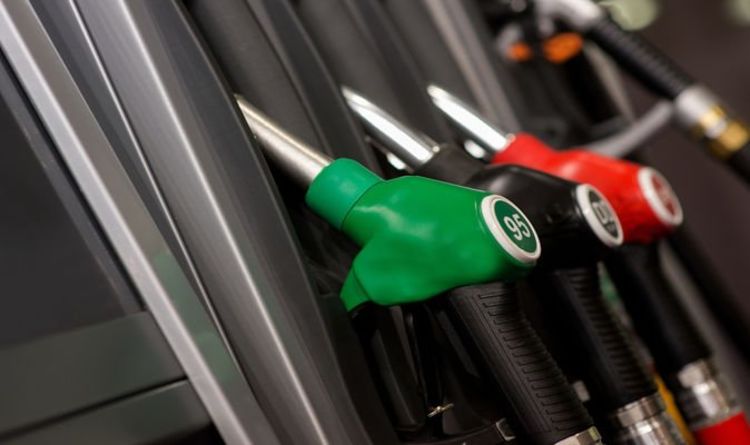
The global hike in prices of crude oil is the reason behind the current fuel woes within the country, a senior official from one of the leading suppliers of petroleum products told The City Review.
South Sudan is an oil-producing and oil-exporting country. However, unavailability of functional refineries means the country also imports petroleum products as seen from the recent increase in fuel price.
Trinity Energy Limited Chief Executive Officer Robert Mdedza says prices of crude oil in the world market was running amok, forcing companies to adjust to market pressure to maintain uninterrupted supply. In South Sudan, inflation has compounded the problem.
“World crude oil prices have recently been on the increase and this is coupled with the depreciation of the SSP against the USD in the parallel market for foreign currency, which has reached around SSP 620 to $1,” Mdedza said.
“This has inevitably led to the landed cost of fuel to go up significantly thereby affecting the pump price in the market.”
The hike
Crude oil prices averaged $65 per barrel in March, up from $3 per barrel in February. According to the U.S. Energy Information Administration’s Short-Term Energy Outlook released on April 6, 2021, the prices are projected to average $61 per barrel in the second half of 2021.
The global price overhaul has disrupted the South Sudan oil sector as oil-importing companies jostle for price adjustments.
Public transport drivers have to dig deep into their pockets to be on the roads to serve commuters who ultimately pay double fare amidst high inflation.
“I am just making loss every day. Nothing I gain. Better I park the car because I can’t continue like that,” a taxi driver anonymously said.
In February this year, a litre of fuel was sold between SSP 225 – SSP 300. It now costs between SSP380 – SSP 00 at different fuel stations within Juba city.
According to the taxi driver who used to earn 14,000 -15,000 a day using 20 litres at 4,500, gains nothing if he pays the owner of the car and conductor.
“Imagine buying 20 litres of fuel at SS 7500, which is now very hard to access or to buy it at SSP9000, the owner of the car needs SSP 5000 and conductor SSP200, breakfast and lunch cost SSP3000. What will you gain? Nothing at all,” he explained.
Upping production
South Sudan is expected to upgrade its crude oil production to 300, 000 barrels per day from the current 165, 000 and 170, 000 barrels per day, recently began local refinery of 10,000 barrels per day.
During the launch of an oil refinery in Bentiu in February 2021, Bol Ring Mourwel Kon, Managing Director of government-owned Nile Petroleum Corporation (NilePet) assured citizens that the refinery would provide lasting solution to fuel shortage in the country.
“I would like to assure the people of South Sudan that soon the issue of fuel shortage will be settled by using our own refinery,” Mourwel asserted.
Oil shortage and high prices remain endemic crisis in South Sudan whose 90 per cent revenue come from oil export.
“This country is an oil producing country and one can’t understand what is the real problem. Things are becoming harder and harder these days. Motorists have increased transport [cost] because fuel is very expensive,” Cicilia Juan, a civil servant said.
She added “Besides, the salary I earn is very little and it delays for months. If you calculate what you spend on transport monthly, it doubles your salary even three times.”
This month, the price of charcoal shot to SSP5000 up from SSP3500 in January to, exacerbating already worsened living condition.
According to the World Bank, South Sudan current inflation rate stands at 33.08 per cent with average South Sudanese living below poverty line.