Coffee; the new green gold diversifying Western Equatoria’s economy
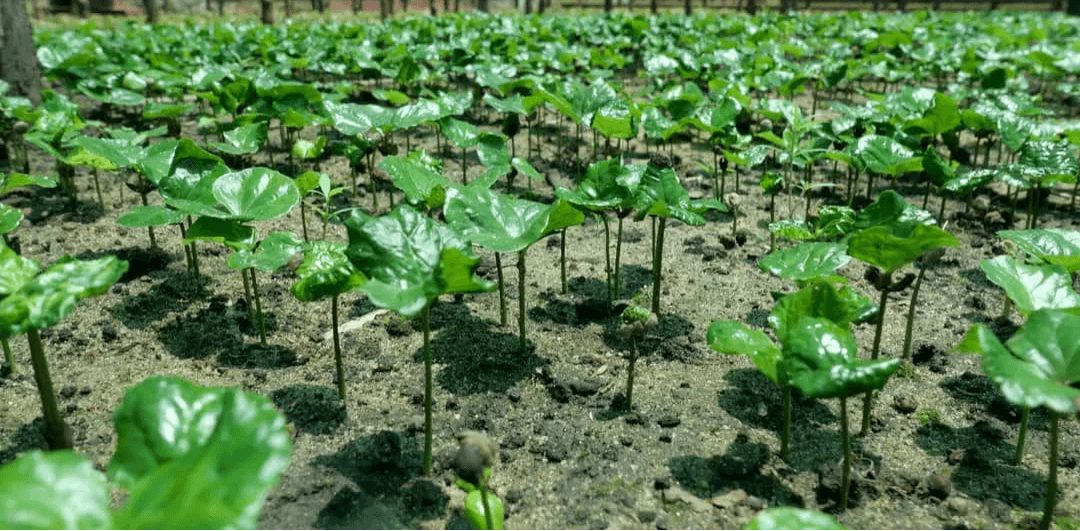
The cash crop farming is emerging as the golden opportunity for Western Equatoria State, as youth, schools and the Church rally behind the crop that experts believe could redefine the state’s economic future.
By Emmanuel Mandella
With the country’s increasing demand to diversify the economy from over-reliance on oil proceeds, Western Equatoria State has turned to coffee growing as the “green gold” to uplift its economy.
The cash crop farming is emerging as the new opportunity in Western Equatoria State, as youth, schools and the Church rally behind the crop that experts believe could redefine the state’s economic future.
At the center of this growing movement is Mr. Paiyo Charles, a young entrepreneur who has invested heavily in coffee production.
He has already spearheaded the planting of more than 700,000 seedlings across the state and is distributing seedlings free of charge to anyone willing to venture into farming.
“The government cannot employ everyone, but agriculture can employ all of us, and coffee is not just farming but it is a global business,” said Paiyo.
“So today, one kilogram of coffee is sold at $7 in the international market about SSP 45,000. Imagine the wealth this can bring if we invest in it seriously,” he added.
From Ezo to Yambio, Nzara, and beyond, coffee farming is taking root as communities realized the potential.
In Ezo County alone, the County’s commissioner Col. Abel Sudan, together with local farmers have planted more than 50 fedans of coffee across the County, which borders, the Democratic Republic of Congo and Central African Republic.
In Yambio, several secondary schools have joined the wave as King’s College Secondary School alone has planted over 100 seedlings, demonstrating that education and agriculture can go hand in hand.
Meanwhile, in Nzara County, the Equatoria Tea Company has been distributing coffee seedlings to vulnerable households eager to invest in coffee farming.
Earlier this year, the Catholic Diocese of Tombura-Yambio launched a coffee plantation project in Gangura Payam of Yambio County, urging Christians and communities to take farming seriously.
The Church boldly called on people to “put the Bible into one hand and hoe in other hand to plant coffee as a source of income.
The church said the state’s border with the Democratic Republic of Congo offers strong opportunities for trade.
These initiatives are turning coffee farming into a shared vision uniting government officials, schools, faith leaders, and local communities.
Western Equatoria State is widely regarded as South Sudan’s “green belt,” blessed with fertile soils, heavy rainfall, and vast greenery. Experts say the region’s natural environment could allow coffee to flourish and become the backbone of the state’s economy.
Globally, coffee is one of the most traded and profitable crops, countries such as Ethiopia and Uganda have built billion-dollar industries around it, creating jobs and sustaining millions of farmers. Advocates believe Western Equatoria could follow the same path if its communities fully embrace the crop.
“Our land is fertile and blessed. The world is thirsty for coffee, and Western Equatoria can become a supplier. This is the time to act,” Paiyo stressed.
The Catholic Church, one of the most influential voices in the region, has thrown its weight behind coffee farming.
The Bishop of the Catholic Diocese of Tombura-Yambio, Barani Eduardo Hiiboro Kussala, emphasized that farming is not just about survival but about dignity and future generations.
“Farming is not a job for the poor, it is a blessing for every generation. If our young people invest their energy in agriculture, especially coffee, they will not only change their families but also transform the future of Western Equatoria and South Sudan,” Bishop Eduardo said.
The Church’s call alongside Mr. Paiyo’s entrepreneurial drive, is seen as a game-changer in mobilizing communities to embrace agriculture.
Despite the enthusiasm, coffee production in Western Equatoria faces challenges, farmers such as lack access to modern tools, processing facilities, and stable markets. Poor road networks make it difficult to transport produce, while fluctuating global coffee prices can discourage long-term investment.
However, with the involvement of schools, companies, the Church, and entrepreneurs like Paiyo Charles, many believe these obstacles can be overcome, if the government also strengthens support for agriculture, Western Equatoria could become a powerhouse of coffee production in South Sudan.
In a call to action, Mr. Paiyo Charle’s initiative, combined with the Church’s leadership and community engagement, has sparked hope that Western Equatoria State is on the cusp of an agricultural revolution.
“Our future is not in waiting for salaries, but our future is in the soil beneath our feet,” Paiyo declared.
As coffee plantations spread across the state, the dream of transforming Western Equatoria into a regional coffee hub is becoming more realistic. With fertile land, youthful energy, and strong community spirit, the state could soon not only feed itself but also compete on the global stage one coffee bean at a time.