WES on course for food glut due to stability

Western Equatoria State has revealed that it expects more harvests this year as compared to last, despite the conflicts that affected the area in late 2021.
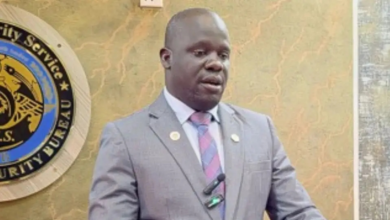
The State Minister of Agriculture, Forestry and Environment, Alison Barnaba, said the government, in collaboration with partners, distributed quality seeds to local farmers in the state to achieve this year’s food security goal.
Mr. Barnaba said most farmers have completed planting their crops and that a lot of people have turned up for cultivation this year. He said it was a clear sign that the state could likely produce the food quantity needed for home consumption.
“This year will be much better than last because the turn-up population for cultivation is greater than last year.
“Because those who planted last year, their maize was bought and they were able to pay school fees for their children, hence encouraging others to cultivate,” said Mr. Barnaba. Adding: “I encourage everyone to plant more, including mango, avocado, pineapple, etc. in their homes. Everyone should participate in agriculture to make western Equatoria number one in food production. “‘
Despite the conflict in Tombura last year, Western Equatoria was the leading crop-producing state with thousands of metric tons. Humanitarian agencies including the United Nations World Food Program (WFP), purchased locally produced foods from the farmers, improving their economic situation.
Western Equatoria State, endowed with fertile soil, is said to be the country’s food basket state, but the lack of road infrastructure and insecurity have affected its production over the past two years. However, the WFP has undertaken road rehabilitation projects in many parts of the state, connecting production areas to local aggregated centres to access markets for the crops.
Since 2019, WFP has purchased thousands of metric tonnes of maize from local farmers, encouraging citizens to cultivate and improve their livelihoods by selling agricultural produce.