Yakani, on State of emergency and South Sudan situation
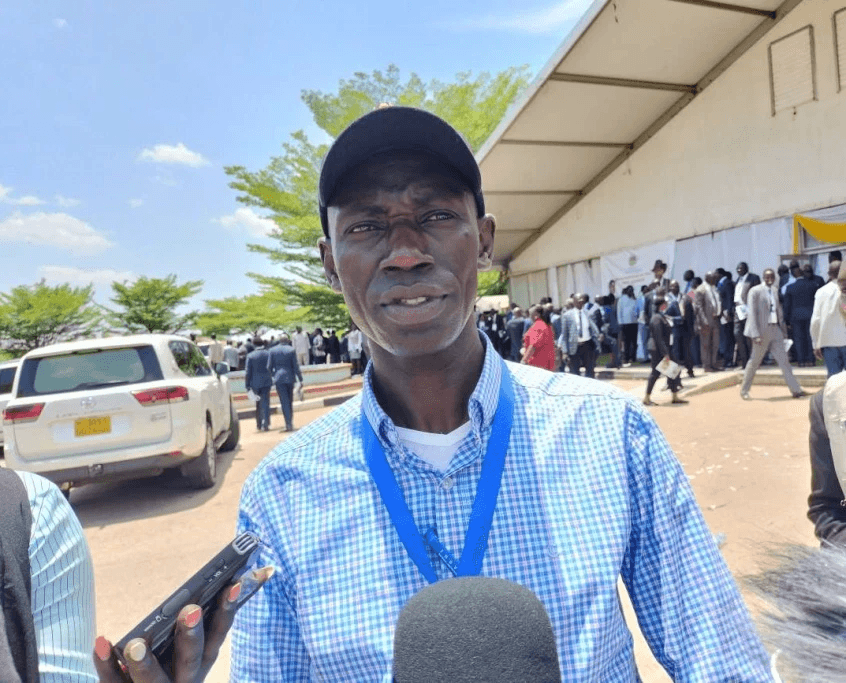
By Aguok Chok
Just days after President Salva Kiir declared a state of emergency in Warrap State and Mayom County of Unity State, the City Review sought to understand the situation, its complexities, and the general application.
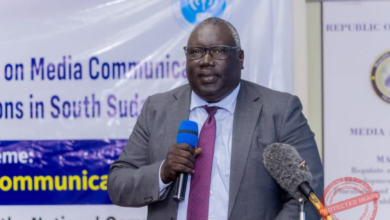
In an exclusive interview, Edmund Yakani, Executive Director of Community Empowerment for Progress Organization (CEPO), described the state of emergency as “a political and security preventive strategy for any unfolding political or security situation that is heading to instability.” He explained that it is usually declared when the state finds it difficult to control violent situations that threaten the safety of civilians and their livelihoods.
“In a context of South Sudan, a state of emergency is an instrument when you realize that protection of civilians are at risk, safety of civilians’ livelihood at risk, and the general public completely in terms of safety and security is at risk,” he stated.
He emphasized that this move by the president is aimed at preventing further violence and loss of life in areas experiencing inter-communal clashes. “The state of emergency now is a preventive action that prevents further escalation and loss of lives of common citizens,” Yakani said.
The activist stressed on the importance of understanding the nature and implications of a state of emergency, adding that it comes with restrictions on civilian activities and movement. “So instead of you waking up every day at 5 a.m., you are asked to wake up at around 7. Where every day you go to a compound at around 9 p.m., you are told that you must be in a compound by 5 p.m.,” he explained.
Yakani also pointed out the constitutional basis for the declaration. “President have the prerogacy under article 101 to declare state of emergency whether President realized that protection of civilians are under risk or under attack,” he explained.
However, he warned that the measure must not be used as a permanent solution. “Of course, state of emergency is not an absolute solution to the crisis. It’s only preventive,” he said. He urged the president to go further and encourage political dialogue. “I wish that the president should take another step after the state of emergency in pressing a dialogue among the political edicts.”
Yakani warned that some communal violence is politically motivated, aimed at influencing government appointments or maintaining political power. “Some politicians now are using communal violence for changing the seat of governor or county commissioner or some people also use violence to retain their influence in government,” he noted.
He expressed concern over the source of arms used in these conflicts, suggesting government-linked supply chains. “It wasn’t these bullets are coming from the same source of the state,” he said, adding, “If there’s no people within the government that are having illegal and trading and supplying arms to the community.”
Finally, Yakani urged the government to enforce the emergency legally and humanely. “If they want to enforce the state of emergency in an aggressive and unlawful manner… they may annoy the community,” he said, adding: “It’s a question of the state to commit themselves for powerful procession of the state of emergency.”
Yakani’s statements call for serious reflection on the next steps beyond emergency measures in the fragile regions of South Sudan.