South Sudan juvenile prison overcrowded as hundreds of children awaits years-long delayed trials
Warning: Undefined array key 0 in /home2/cityrevi/public_html/wp-content/themes/_city/single.php on line 65
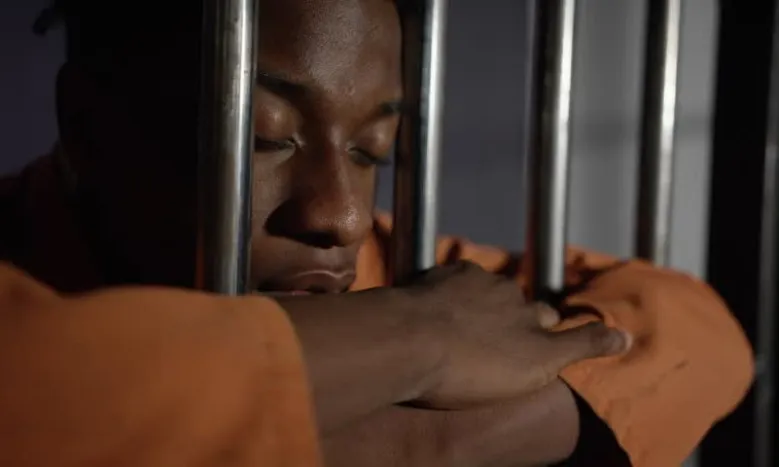
Overcrowding in minors’ prison has intensified concerns over delayed justice, malnutrition, inadequate living conditions, and limited rehabilitation services
By Binia Elizabeth
South Sudan’s main juvenile detention facility is operating at more than three times its intended capacity, with hundreds of children held in prolonged pretrial detention as they wait years for their cases to be heard, officials revealed during commemorations of the Day of the African Child in Juba.
The Juvenile Prison in Juba, built to accommodate 100 children, is currently housing 314 juveniles, according to prison authorities. The overcrowding has intensified concerns over delayed justice, malnutrition, inadequate living conditions, and limited rehabilitation services.
Speaking during an event organized by Tribe 64 with support from the Young Women’s Christian Association (YWCA), Director of Juvenile Prisons Akol Michael described the situation as alarming.
“The facility was designed for only 100 children, but we are currently accommodating 314, which is far beyond the acceptable capacity,” Michael said
Prison records show that only 81 juveniles have been convicted, while 233 remain on remand awaiting trial.
“Some of them spend three to four years in detention without appearing before court or receive any form of justice,” he further added
Michael attributed the delays largely to logistical challenges within the justice system, including a lack of transport and fuel needed to facilitate court appearances. Although mobile court initiatives supported by development partners have helped reduce case backlogs,
He added that many children continue to experience lengthy delays before their cases are heard.
The overcrowding has also strained the prison’s ability to provide adequate care and rehabilitation. Authorities report persistent cases of malnutrition, while limited accommodation and isolation facilities complicate efforts to address health concerns among detainees.
“We continue to face serious challenges related to nutrition and food supply, one meal a day is not enough for growing children” he said
He explained that financial constraints and delays in payments to food suppliers have occasionally forced the prison to reduce meals from the standard two per day to only one.
The facility, which was rehabilitated in 2020 with support from the United Nations Development Programme (UNDP) and the International Committee of the Red Cross (ICRC), continues to struggle with limited resources.
Michael also noted that support from some development partners have declined in recent years, leaving only a handful of organizations actively assisting the institution.
“Without support, there is very little we can do,” he said calling on government agencies, humanitarian organizations, development partners, and private companies to increase assistance for detained children.
According to prison authorities, serious offences such as rape and murder account for a significant proportion of cases involving juveniles in detention, while theft related offences make up a smaller share.
Meanwhile Jennifer John Jada the Secretary General of Tribe 64, said the initiative was intended to encourage detained children to view incarceration as a temporary setback rather than a permanent definition of their lives.
“We wanted them to understand that being here is not the end of their story, they still have opportunities to build better lives and contribute positively to the society” she said
Jada noted that many young offenders have experienced trauma, violence, family instability, or substance abuse, factors that often contribute to their involvement in crime.
“Our goal is to remind them that they remain important members of society and that they deserve a chance at a better future,” she added
She added that Tribe 64 plans to continue engaging with children in detention through mental health awareness programmes and follow up visits.
“Mental health cannot be addressed in a single day. Healing and recovery require continuous support,” Jada said.
YWCA Project Officer Namisio Joy Bage emphasized the need for society to remain engaged in supporting children in detention.
“It is important to share hope and encouragement with these children while also educating them about mental health and the dangers of drug abuse,” she said.
Bage explained that YWCA supports youth led initiatives through mentorship and financial assistance programmes focused on mental health, substance abuse prevention, and gender-based violence awareness.
She called for stronger cooperation between civil society organizations, government institutions, and law enforcement agencies to ensure child protection laws are effectively implemented.
“Civil society can play its role, but without accountability and enforcement of existing laws, progress becomes difficult,” she said.
As South Sudan marked the Day of the African Child, prison authorities and civil society organizations delivered a common message: children in conflict with the law should not be forgotten but should be given meaningful opportunities to rebuild their lives and secure a better future.
Utilities
“The facility was designed for only 100 children, but we are currently accommodating 314, which is far beyond the acceptable capacity.”- Director of Juvenile Prisons Akol Michael.