Not me! Museveni denies brutalising Bobi Wine supporters
Warning: Undefined array key 0 in /home2/cityrevi/public_html/wp-content/themes/_city/single.php on line 65
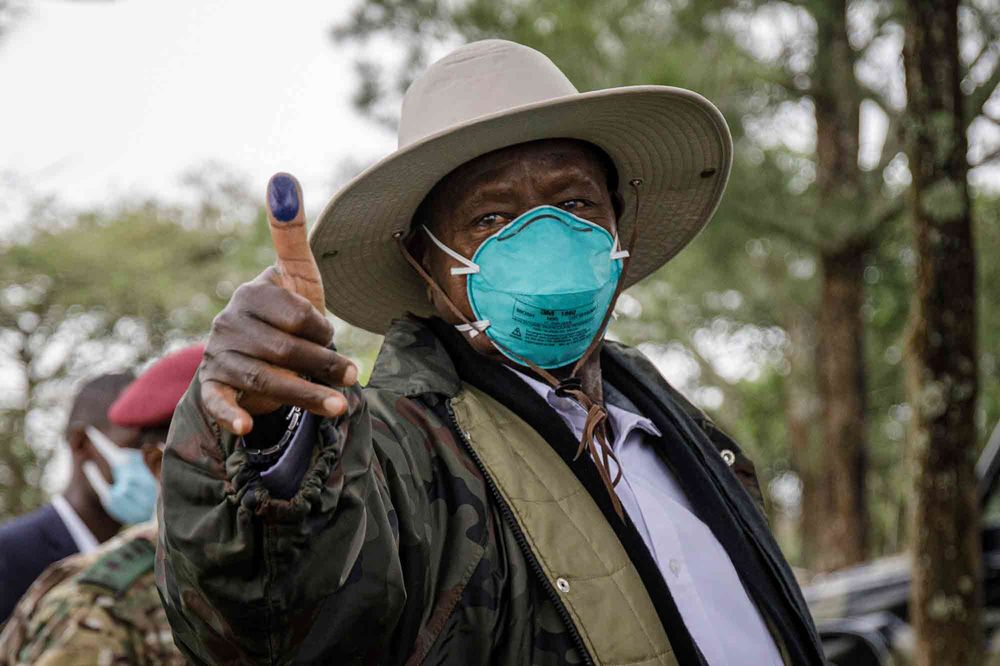
“I will capture Kyagulanyis’s group, you just wait. I will work underground but I will finish them,” those were the words of Ugandan President Yoweri Museveni on December 2020 as quoted by online publication, Nile Post.
What ensued after his comments was a bloody January 14 general election. Three months after the poll, Uganda is yet to heal from the post-poll blues.
An investigation by The Continent last week revealed shocking human rights violations compounded by enforced disappearance, reportedly at the hands of Uganda’s brutal security forces that are accountable to no one.
The supporters of National Unity Platform, led by Bobi Wine, are getting abducted in hundreds and driven to geographical locations unknown to them. The expose indicated that some have been prosecuted in courts while others have been maimed or killed.
The publication profiled one a victim in Fabian Luuka, who was slumped on his bed with his leg shattered, tibia and fibula bones poked through skin, and wounds on his buttocks were infected and turning black from severe necrosis.
He narrated that he was tortured although his statements were consistent with the injuries he sustained. Luuka was reportedly abducted by state security forces in February, together with two other colleagues, Agodri Azori and one only known as Obundu, for an alleged “crime” of possessing a NUP membership card.
Luuka and his colleagues just joined hundreds of the party’s supporters – along with a number of apparently innocent bystanders rounded up by various security forces. While some appeared in custody, and others in military detention facilities, many were never seen again.
The National Unity Platform is currently Uganda’s biggest opposition party. In January, it lost the presidential poll to Museveni as per the official results. However, Bobi Wine and his comrades insist that the election was rigged.
In a bid to quell civil unrest in the wake of a disputed outcome, authorities waged the most brutal crackdown against antagonists in decades. Luuka got caught up in the scene, along with Agodri Azori and Obindu, all from Arua.
Agodri Azori and Obindu died in custody. Luuka, after being tortured according to the investigation, “discarded like litter on the side of the Kampala-Jinja expressway, and later taken to a nearby hospital.” He died of his injuries days later.
An insider’s account
Opposition leaders, human rights activists and media reports allege that the Chieftancyof Military Intelligence in suburb of Mbuya has played a key role in executing the recent crackdown.
Until recently, Lieutenant Isaac Sankara was the head of the legal department in the directorate of counter terrorism in the Chieftancy. But after witnessing abuses committed by fellow officers in Mbuya, he fled the country in 2020.
For security reasons, his current location remained undisclosed. “You get overwhelmed,” Sankara says. “Some of those people they kidnap and torture would beg, ‘Please, please help me get some treatment’. They would even refuse them treatment and in a day or two they die. It hurt to see.”
“People were tortured from night to morning. I’ve seen it. Then, for some of the unfortunate abductees, they have the audacity to keep them alive until their wounds heal so that they can bring them to court. [President Yoweri] Museveni has made past bad leaders look very good. So good that if you ask me, ‘Would you rather live under Amin’s regime?’ – I would say yes. My father survived it.”
Sankara fears what will happen if opposition leaders encourage further protests. “I know the determination of a dictator; they are ready to massacre. I pray guys don’t demonstrate. It will be bloody.”
Museveni speaks out
The gruesome images of men and women with terrible injuries being dumped by the side of the road and outside hospital gates eventually became too much for President Museveni – who has been in power since 1986 – to ignore.
In an address to the nation on February 13, he firmly denied that the state was in any way responsible. “The talk of disappearances should be ignored because it can’t happen under the [ruling party],” he said. “We never cover up, there’s nothing which we do and hide.” Yet, in the same speech, the president said that a commando unit had arrested 242 suspects, of whom 177 had been granted bail or released.
On March 13, in another televised address, President Museveni said that those missing were either in court or were “renegotiating” their way out of prison.
“I would therefore want all the others involved in these criminalities to admit their mistakes, cooperate with the security forces, apologise to those who were attacked, so that we go back to normal life, but this should never happen again,” he said.