Igga urges citizens to shun tribalism
Warning: Undefined array key 0 in /home2/cityrevi/public_html/wp-content/themes/_city/single.php on line 65
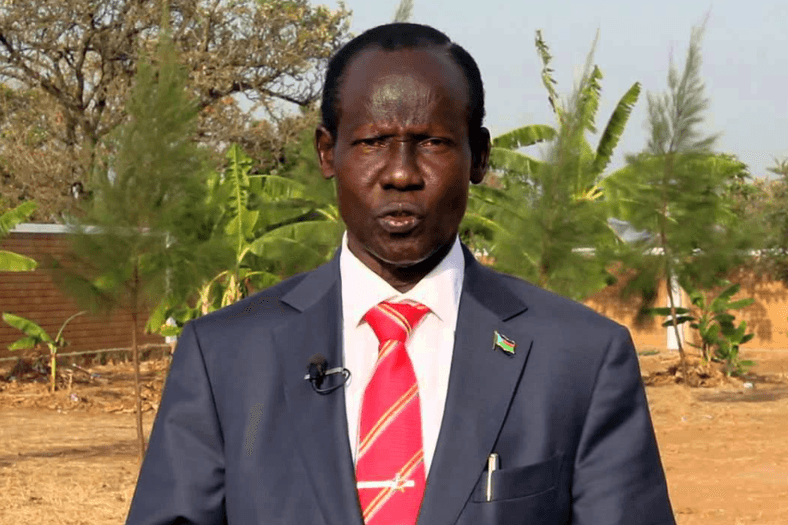
The Vice President of the Economic Cluster, Dr James Wani Igga, has advised the residents of Central Equatoria State to shun tribalism and nepotism for peaceful co-existence.
Dr Igga was speaking at Juba County’s celebrations in honour of their sons and daughters who had been appointed to various positions in government offices.
The Vice President of the Service Cluster, Hussein Abdelbagi Akol, warned the people to be proactive in fighting against the COVID-19 pandemic.
Abdelbaggi, who is also the chair of the Service Cluster, emphasised the need to observe public health regulations following the surge in COVID-19 pandemic cases globally, arguing the pandemic is now more active and riskier to citizens regardless of their ages.
The Governor of Central Equatoria State, Emmanuel Adil, seized the opportunity to address issues of land grabbing, cattle herding, and child abduction in the state.
Adil called for cooperation with committees and the security agencies to carry out their duties smoothly.
In attendance was also the Mayor of Juba City Council, Michael Allah-Jabu, who assured the public of the commitment of his office to change the face of the city to reach international standards.
All-inclusive support
Meanwhile, the Commissioner of Juba County, Charles Joseph, urged the people of Juba County to support the government of South Sudan for peace, stability, and prosperity to reign.
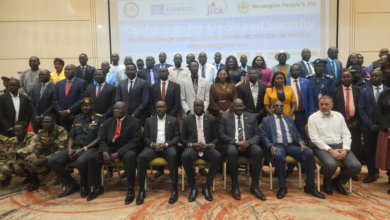
The event was attended by parliamentarians, advisors, ministers, members of commissions, technocrats, religious leaders, and civil society, among others.
Efforts to end corruption
At the governors’ forum last month, Salva Mathok Gengdit, a member of parliament, wrote to the governors and urged them to fight corruption in their respective states.
Mathok, who previously served in various government offices, advised the governors to iron out causes of division before closing the governors’ forum, adding that corruption was a major setback in derailing development in the country.
“Corruption is a major obstacle to development, and it has built tribalism and so many other factors that I will not mention now, which are contributing to our division among ourselves,” he said.
He pointed out that disputes stemming from cattle grazing were disturbing and must be addressed in Central Equatoria and Upper Nile states because the activity raised insecurity by discouraging farmers through the destruction of crops.
Mathok further urged the governors to consider working for the interests of the citizens rather than their welfare.
“This is a huge organization, very expensive, that is intended to solve the problems of parties’ interests rather than citizens’ interests.”
“I didn’t get a chance to speak during the debate because I know that tomorrow, SPLM will be blamed and not all parties. My reason was simple: all committees will have brand new 70 V-8 cars. As an example, “the money for 10 V-8 cars can build 5 nice hospitals, leave alone furniture for the offices of those specialised committees with fuel,” he said.
Possible solution
In October, the Revitalised Transitional National Legislative Assembly (R-TNLA) called on the government to empower the anti-corruption commission to prosecute corrupt government officials and recover stolen property.
The committee made a report on the speech of President Salva Kiir made on August 30 by recommending that corrupt officials be named and shamed so that others could desist from embezzling public funds.
The committee called for the auditing of the financial records of all government institutions and threatened that any institution that failed to cooperate would be reported directly to the Auditor-General and the anti-corruption commission for punishment.