Over 600,000 die of malaria as pandemic disrupts services- WHO report
Warning: Undefined array key 0 in /home2/cityrevi/public_html/wp-content/themes/_city/single.php on line 65
At least 627,000 people have died of malaria since the outbreak of the coronavirus pandemic that disrupted the provision of malaria services, the World Health Organisation has reported.
According to the WHO’s latest global malaria report, an estimated 627,000 deaths have been recorded in 2020 worldwide, compared to 69,000 deaths reported in 2019.
In the report, additional deaths of 47,000 were linked to disruptions in the provision of malaria prevention, diagnosis, and treatments during the pandemic.
In Sub-Saharan Africa, malaria has contributed to the highest number of cases, accounting for about 95 per cent of the cases and 96 per cent of deaths in 2020. Children were the most affected in African countries, including South Sudan, which presented 80 per cent of the death cases among children under five years of age.
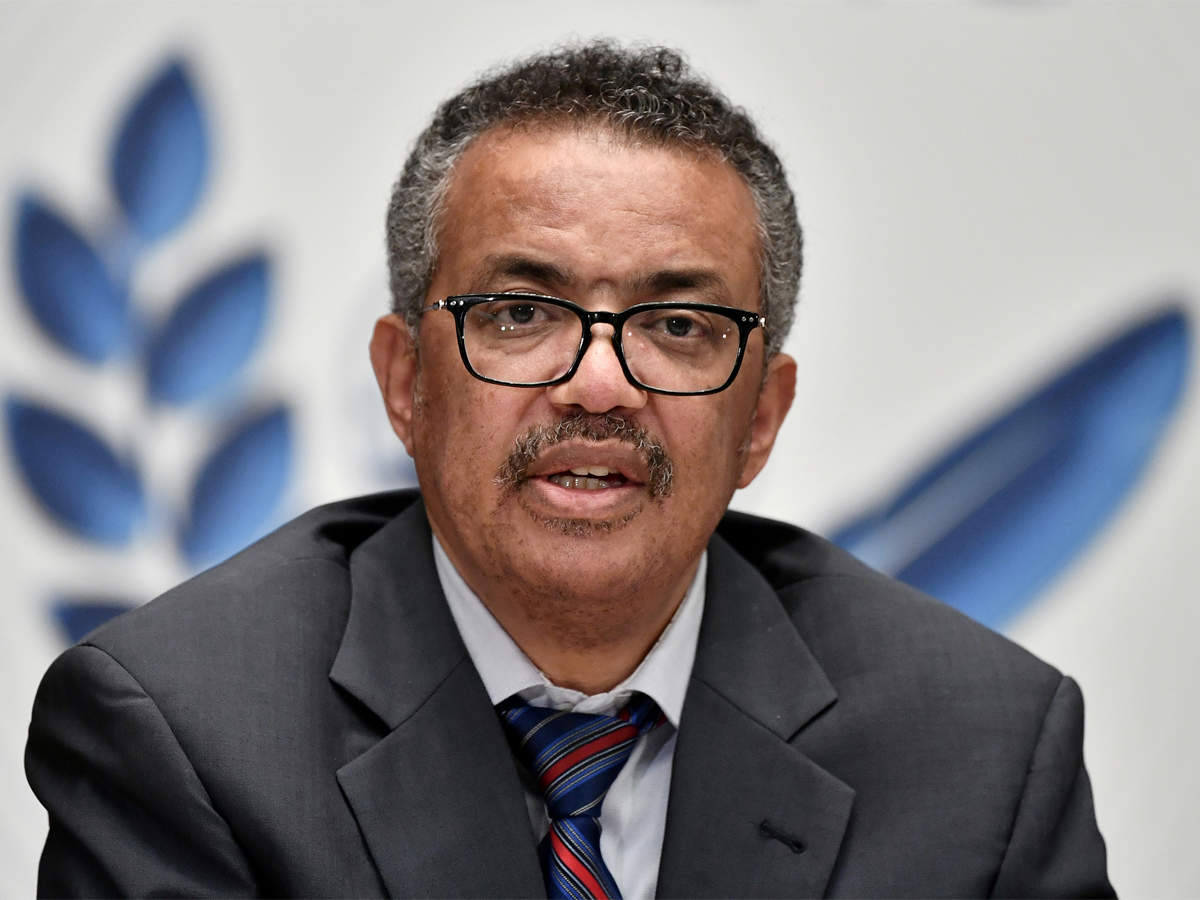
The WHO Director-General, Tedros Adhanom Ghebreyesus, commented on the hard work of the public health agencies in malaria-affected countries. He said there is a need to commit the same effort to fight malaria as before, although it was interrupted by the pandemic.
“To get back on track, the world health organization and its partners recognise the need to ensure better and more equitable access to all health services, including malaria prevention diagnosis and treatment,” said Dr Adhanom.
“By strengthening primary health care and stepping up both domestic and international investment, innovation in new tools is also a critical strategy for accelerating progress,” he added.
He said one important new prevention tool is RTS, S/ASO1 (RTS, S) the first vaccine ever to be recommended by the World Health organisation against malaria.
Dr Adhanom said in October 2021, WHO recommended RTS’S for children living in Sub-Saharan Africa and other regions with moderate to high falciparum malaria transmission.
Meanwhile, WHO Regional Director for Africa, Dr Matshidiso Moeti, said in African countries, thousands of people have lost their lives to malaria because of the coronavirus pandemic.
“African governments and their partners need to intensify their efforts so that we do not lose even more ground to this preventable disease,” Dr Moeti said.
According to the report, 15 countries with a high burden of malaria reported reductions in malaria testing of more than 20 per cent in April-June 2020 compared to the same period in 2019 because national malaria programmes distributed about 48 million fewer courses of treatment in 2020 compared to the previous year.
Bad record
The report revealed that of the world’s 11 highest-burden countries, only India registered progress against malaria. All 10 other countries, all in Africa, reported increases in cases and deaths.
The report indicates that since 2015, the baseline date for WHO’s global malaria strategy, 24 countries have registered an increase in malaria deaths. In the 11 countries that carry the highest burden of malaria worldwide, cases increased from 150 million in 2015 to 163 million in 2020, and malaria deaths increased from 390, 000 to 444, and 600 over that same period.
According to the report, despite the challenges imposed by COVID-19, about three-quarters (72%) of insecticide-treated mosquito nets have been distributed in malaria-endemic countries as planned by the end of 2020. Thirteen countries in Africa’s Sahel sub-region reached 11.8 million more children with preventive antimalarial medicines during the high-transmission rainy season in 2020 compared to 2019.
Some countries, particularly those with a low burden of malaria and relatively strong health systems, even registered gains against malaria during the pandemic. China and El Salvador were certified by WHO as malaria-free in 2021, and the Islamic Republic of Iran attained 3 consecutive years of zero indigenous cases in 2020.
Despite these achievements, the WHO African Region saw a 12 per cent increase in malaria deaths in 2020 over the previous year, highlighting the consequences of even moderate service disruptions in a population at risk of malaria.
According to the report, progress towards the 2020 milestones of the WHO global malaria strategy was substantially off track. In 2020, the global malaria case incidence rate was 59 cases per 1000 people at risk, against a target of 35, putting it off track by 40 per cent.
The global mortality rate was 15.3 deaths per 100 000 people at risk, against a target of 8.9, putting it off track by 44 per cent.
Reaching the 2030 goals of the WHO malaria strategy, including a 90 per cent reduction in global malaria incidence and mortality rates by 2030, will require new approaches, new tools, and the better implementation of existing ones.