Her Voice, Her Leadership: Women Shaping South Sudan’s Future
Warning: Undefined array key 0 in /home2/cityrevi/public_html/wp-content/themes/_city/single.php on line 65
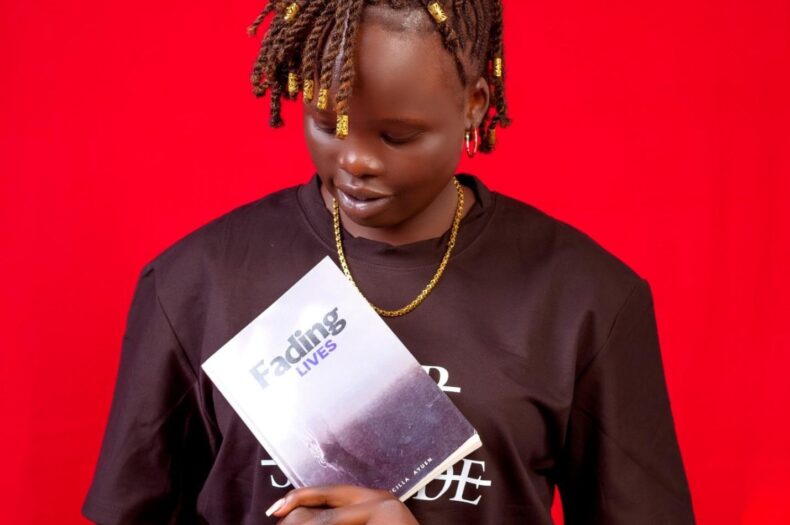
Can you introduce yourself and share how your journey into writing and poetry began?
My name is Priscilla Ayuen. I am an author, poet, and a passionate advocate for the voices of youth, women and young girls. My journey into writing began quietly in high school. I used to hide my writings because I was not even sure if I was writing anything meaningful until I got courage and finally exposed my writings to readers, opened myself to critics and that pushed me into becoming the writer that I am today.
What inspired you to use words as your medium of expression and empowerment?
What inspired me most was the realization that words can heal, challenge, and awaken people. In many of our communities, women and girls are often expected to remain silent about their struggles, dreams, and opinions. Writing gave me a way to break that silence. I began to see words not only as expression but also as a form of empowerment. Through writing, I could question injustice, celebrate resilience, and remind women that their stories deserve to exist in the world.

Growing up, what experiences or influences shaped your love for storytelling and poetry?
My love for reading influenced me so much into writing. I started reading at a very young age, I mean children stories until I transited to real world of the literate when I joined high school. Not only that, growing up in a society that has experienced conflict, displacement, and many social challenges exposed me to powerful stories of survival and strength. I listened to elders tell stories especially my late grandfather (Makuei-Apier). I observed the struggles and resilience of everyone around me, and I carried many emotions that needed a place to live. Storytelling became a natural way to hold those experiences. Poetry allowed me to capture feelings that sometimes felt too big for ordinary language.
What milestones or achievements in your writing and poetry career make you most proud, and why do they matter not just to you, but to other women?
Winning the award of the debut author category at the African authors recognition award in 2025, all the way from Namibia and also other awards within the country and the region, in East Africa, reminds me that my work has not been in vain and has been noticed and recognized by the world around. It gives me the contentment that I will make it to be like the likes of Ngungi wa Thiong’o, Chinua Achebe, Chimamanda Ngozi Adichie and other African and world writers that I celebrate. Though, what matters most to me is not recognition only but also the impact. When other women see someone who looks like them speaking through writing and poetry, it reminds them that their voices also belong in literature, in history, and in public conversations.
How has your work as a writer and poet contributed to your community, especially for women and youth?
My writing tries to create spaces where women and young people feel seen and heard. Through poetry, storytelling, and mentoring, I encourage young women to reflect on their experiences and express themselves confidently. Writing can be a powerful tool for self-discovery and healing. By sharing stories and supporting others who want to write, I hope to build a culture where expression, creativity, and courage are valued.
Can you share a moment when you realized your words were inspiring others to embrace their own voices?
I wrote a poem entitled ‘Nya ku Toc’ sometimes back and every time I perform this piece it feels new and always relatable. People have not stoped talking about it to the extent they nicknamed me ‘Nya ku Toc.’ This made me realize a piece of an art can be very powerful to the point that it cannot be ignored. This reminds me that writing is not just about the writer but about connection. When someone else finds their story in a poem and they feel advocated for already in a piece, it becomes something bigger than literature itself.
What unique challenges do women face in writing and poetry in South Sudan, and how do you believe they can be overcome?
Women in South Sudan often face challenges of which cultural expectations that discourage public expression is my biggest concern. There are other factors such limited access to education, inferiority complex that comes in from the acceptance of restrictive social and cultural norms, limit resources and a lack of platforms where their voices can be heard. Many talented women writers remain unseen because the environment does not always support creative expression. Overcoming these challenges requires mentorship, education, supportive networks, and safe spaces where women can share their work without fear. We also need more initiatives that actively encourage girls to write and tell their stories.
How do you see literature and poetry empowering women, not just creatively, but socially and politically?
A: Literature and poetry are powerful tools for social change. When women write about their experiences, they challenge silence and reshape narratives about their lives. Poetry can speak about injustice, identity, and hope in ways that reach people emotionally. When women claim their voices through literature, they are not only creating art but also influencing conversations about equality, rights, and the future of society.
What advice would you give to young women who want to pursue writing but feel discouraged by cultural or social expectations?
Fighting these injustices requires boldness, courage and standing up before you win. So to the young women, do not silence your voice to fit into expectations that limit your potential. Writing is an act of courage, but it is also an act of freedom. Your story matters, even if the world is not used to hearing it yet. Start writing honestly, keep learning, and surround yourself with people who support your creativity. The most powerful stories often come from the places where people were told they should remain quiet.
How would you describe your leadership style as a writer and poet, and how do you use it to empower others?
My leadership style is collaborative and encouraging. I believe leadership in writing is not about being the loudest voice in the room but about creating space for others to speak. I try to support emerging writers, especially women, by sharing opportunities, encouraging their confidence, and reminding them that their voices are valuable. Empowerment grows when people feel seen, supported, and inspired.
What values guide you in your work, whether in writing, mentoring, or community outreach?
The values that guide my work are authenticity, courage, empathy, and responsibility. I believe writing should be truthful and meaningful. It should respect the stories it carries and the people behind those stories. I also believe in lifting others as we grow, because creativity should build communities rather than isolate individuals.
Have you mentored anyone yet, and if not, how do you plan to mentor the next generation of women writers and poets?
I am passionate about mentoring young women and girls who are interested in creative expression. I believe mentorship can happen through workshops, writing circles, storytelling spaces, and personal encouragement. My goal is to help young writers develop confidence in their voices and understand that their perspectives are valuable contributions to literature and society. And yes, I have mentored and hoping to mentor more.
What message do you have for South Sudanese women about the power of writing and poetry to build confidence, resilience, and unity?
To the women, your voice is powerful. Writing and poetry can transform pain into strength, silence into expression, and isolation into connection. When women share their stories, they remind each other that they are not alone. Through words, we can build confidence, resilience, and solidarity.
What gives you hope for the future of women in literature and creative arts in South Sudan?
What gives me hope is the growing number of young women who are beginning to write, speak, and share their creativity. I see courage in their voices and curiosity in their ideas. Even though the journey is not easy, every woman who writes and every girl who dares to express herself is shaping a new future for literature and creative arts in the country.
How do you envision your role in the next five years, both as a writer and as a mentor for the next generation of women in creative expression?
In the next five years, I hope to continue growing as a writer while also helping to build platforms for other women writers and poets. I want to contribute to projects that mentor emerging voices and create spaces where creativity and expression can flourish. My vision is not only to write, but also to help nurture a community of women who use their voices to shape culture, history, and the future. And my biggest goal is to paint my country’s flag in the world map of literature. I know we are known for the contributions of writers like Taban Loliyong but that for me is a beautiful start, I boldly need more south Sudanese writers recognized worldwide.
Utilities
“My goal is to help young writers develop confidence in their voices and understand that their perspectives are valuable contributions to literature and society.”- Priscilla Ayuen, author and poet.