Non-oil revenue shoots to SSP7 billion
Warning: Undefined array key 0 in /home2/cityrevi/public_html/wp-content/themes/_city/single.php on line 65
The government’s economic cluster said it has made a significant revenue collection of over SSP6 billion in its endeavour to reform the financial management system.
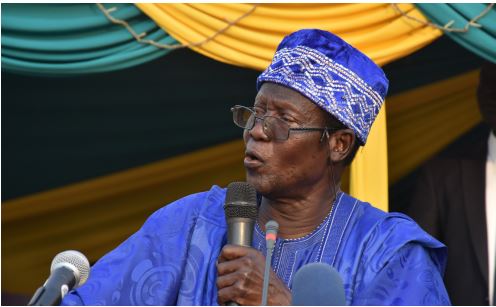
The amount was collected between the fiscal years of 2020/2021 and 2021/2022, according to the Vice President, Dr James Wani Igga who also serves as the chairperson of the economic cluster.
“We in the economic clusters, as we dwell on the implementation of the revitalised peace agreement, are seriously considering objectives of increasing our collections and this is proving successful, slowly but surely.”
“For example, our collections [as] of last year July 2020, was 1.5 billion SSP. This is from the non-oil revenues. Just last October we climbed to the tune of SSP7 billion from the non-oil alone,” said Dr Igga.
Chapter 4.1.7 of the revitalised peace agreement obliges the revitalised government of national unity to undertake immediate and medium-term economic and financial management reforms in South Sudan.
South Sudan’s economy, which became worse after the country descended into civil war in December 2013, has been battered with reports of corruption and a weak governance system to manage the country’s resources as an excuse.
Since then, the country has been experiencing one of the direst economic crises, rendering the government incapable of financing some of its key development projects as well as paying the salaries of civil servants and organised forces.
Appeal made
Speaking during the opening session of the five-day governor forum in Juba on Monday, Dr Igga called on the state governors and the area administrators to ensure financial reforms at all levels of the government.
He promised the continuation of reforms in the financial system of the country, as directed by President Salva Kiir, to ensure the recovery of the country’s economy.
“Areas of concentration of course includes reforming the entire public financial management and procurement system. This is important and we are making final touches in the procurement system. So you in the state that is where the biggest part of corruption falls,” Dr Igga said.