Beyond the Headlines
South Sudan: A call for peace and unity
By Suzan Peter Mabuong
Since gaining independence in 2011, South Sudan has been a symbol of hope and freedom for millions. It was a victory that came after decades of struggle, sacrifice, and the loss of countless lives. For the people of South Sudan and those in the diaspora, independence meant more than just a flag and a national anthem—it was the beginning of a new chapter, a chance to rebuild and dream again. Yet, over a decade later, that dream is slipping away as senseless wars and tribal divisions continue to tear the nation apart.
The world is watching South Sudan, but not with the pride and admiration we had hoped for. Instead, our beloved country has become a laughingstock, known not for its rich culture and resilient people but for repeated cycles of violence and political instability. This is a painful truth for those of us who left our comfortable lives abroad to return home and contribute to rebuilding our nation. We did not come back to witness destruction. We came back to be part of something greater—a peaceful, prosperous South Sudan.
The wounds of tribal conflict run deep, especially between the Nuer and Dinka communities. History cannot be erased, but it should not be used as a weapon to destroy our future. We must find common ground. The innocent lives lost in these conflicts are not just numbers; they are mothers, fathers, children—people with dreams and aspirations. When one community suffers, the entire nation suffers. It is time for us to rise above tribal lines and embrace each other as brothers and sisters of one nation.
The government of South Sudan carries a heavy responsibility. Leadership is not simply about holding power; it is about serving the people and preserving their dignity. Our leaders must prioritize peace and reconciliation above all else. This means creating spaces for open dialogue, fostering trust among different ethnic groups, and addressing the root causes of conflict. Genuine peace cannot be achieved through empty agreements or temporary ceasefires. It requires honest efforts to heal wounds, acknowledge past wrongs, and move forward together.
The people of South Sudan also have a role to play. Peace does not belong to the government alone; it is the responsibility of every citizen. We must reject hate speech and refuse to be used as tools of violence. It is time to break the cycle of revenge and replace it with the spirit of forgiveness. Our children deserve a better future—one where they can go to school without fear, where they can dream without limits, and where their identity is defined by unity, not division.
For those of us who spent years living in the diaspora, the dream of coming home was always alive in our hearts. After years of being foreigners in strange lands, there is nothing more precious than the idea of belonging. We endured the challenges of being refugees, struggling to make a life in places where we were always seen as outsiders. Yet, despite the hardships, we held onto the hope that one day, we would return to a peaceful South Sudan.
Mangok Mangok Mayen, a returnee and Ph.D. candidate, reflects on the emotional burden of seeing his homeland in turmoil. “I spent 24 years in the United States dreaming of the day I could come home. Now that I am here, it breaks my heart to see my people fighting each other. We have a beautiful country with so much potential, but we are destroying it with our own hands. We must ask ourselves—what kind of future do we want to leave for our children?”
Adeng Kuel Maluil, a well-educated young woman living in the United States, shares similar concerns. “Many young South Sudanese abroad want to return home and contribute to the nation’s development. But how can we invest in a country where our lives are constantly at risk? It is frustrating to see our leaders fail to protect the people. We want to be proud of South Sudan, not ashamed.”
Deng Garang Garang, a passionate supporter of peace and progress, has been a source of encouragement to many returnees. Though he has never lived in the diaspora, he continues to lift our spirits and push us to make a difference. Recently, he urged me to write about the current political unrest in the country and how to restore peace among South Sudanese community. Deng believes that words have the power to inspire change, and he has always believed that I can be a voice for the voiceless in South Sudan. Deng is also the department manager at my workplace. Despite his young age, he is full of potential and deeply committed to uplifting others. His unwavering support reminds us that even in the darkest times, there are people who choose to uplift others and fight for a better future.
It is not just returnees who are affected. The entire South Sudanese diaspora watches with heavy hearts as the country they love remains trapped in cycles of violence. For years, many of us have worked tirelessly to encourage others abroad to return home and invest in the nation’s future. But how can we continue to convince people to come back when insecurity remains a daily reality?
South Sudan is not just another country on the map—it is our home, our identity, and the legacy we will leave behind. We cannot afford to destroy what we fought so hard to gain. There is no victory in a war between brothers. There is no future in endless conflict. It is time to choose peace. It is time to choose each other.
The call for peace is not a sign of weakness; it is a sign of strength. We, the people of South Sudan, must take a stand against tribalism and violence. We must demand better from our leaders and from ourselves. Every citizen has a voice, and it is time to use that voice to promote unity, justice, and peace.
We must remember that this country is bigger than any tribe or political interest. The resources we fight over today will mean nothing if there is no one left to enjoy them. Let us rise above our differences and work together to build a nation that future generations will be proud to call home.
To my brothers and sisters across South Sudan: do not let hatred define us. Let love, forgiveness, and unity be our legacy. This is our country, and it is worth saving. Please, stay in peace and harmony.
Short biography:
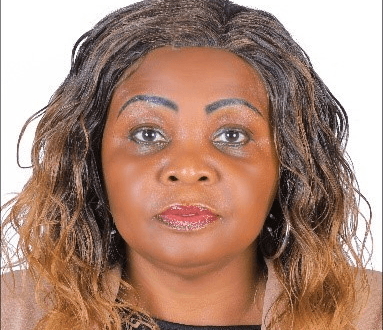
Suzan Peter Mabuong is a weekly columnist with ‘The City Review’ on social impact. She is a PhD candidate in Organizational Leadership at Grand Canyon University. Having lived in Canada and the United States for more than two decades before returning to South Sudan, Suzan brings a unique perspective that goes beyond the surface to explore the real stories shaping the nation. You can reach Suzan at: beyondtheheadlines.ssd@gmail.com