Flood victims in Ayod County feed on grass
Warning: Undefined array key 0 in /home2/cityrevi/public_html/wp-content/themes/_city/single.php on line 65
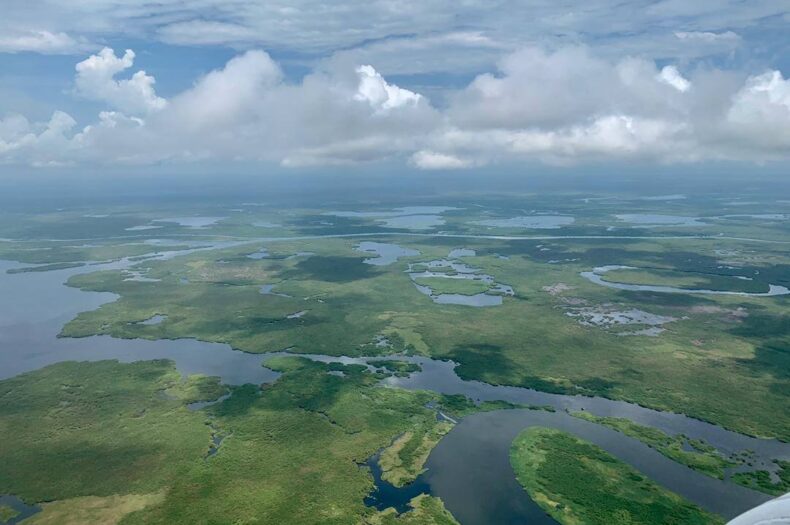
JUBA – The dire state of humanitarian affairs catapulted by flood in Ayod County of Jonglei State has forced residents to eat grass in the absence of basic necessities like food, a United Nations (UN) official has said.
Arafat Jamal, the Acting UN Resident/Humanitarian Coordinator in South Sudan described the humanitarian needs in Ayod as ‘acute’ and ‘distressing’.
Mr. Jamal said the people in the area are submerged in water without food, shelter, and health services.
The coordinator made the remarks at a press conference at Juba International Airport on Thursday after a team of the humanitarian community and government delegation visited the area on Wednesday.
Jamal told reporters that the purpose of the joint visit to the area was to establish the humanitarian needs of the affected people in the area.
The humanitarian coordinator expressed shock over what the flood victims are feeding on. He said some residents experience stomach and other health-related complications after eating the grass.
“One of the most moving and socking things for me about this particular mission was that when I see someone throws a grass on the ground and says “this is what we have to eat, this kind of stuff” and they say “we have to eat this and when we eat it we get upset and our stomachs get upset and we get sick but this is what have to eat,” Mr. Jamal said.
“To me, that shows that amid all this suffering, it is human dignity that is affected when you have to eat grass,” he lamented.
According to the report by authorities, over nine people have been reported dead, four people drowned while four others died from snakebites as a result of flooding.
The acting humanitarian coordinator articulated that about 30,000 people are affected by the flood in the area and have not yet received any assistance from humanitarian organizations.
Jamal said, however, that they were scaling up an emergency response plan to support the people with their immediate needs.
“We have the budget allocation for last year’s humanitarian respond fund allocated to South Sudan Humanitarian Fund that will be used to respond to the situation,” Jamal said.
Meanwhile, Unity State Governor Dr. Joseph Manytuil Wejang said Wednesday that more than 2000 households have been wiped out by flash floods in his region.
“The flood has displaced more than two thousand households and nearly twenty people have died, the flash flood has submerged most villages, water breaking down travel route to the counties,” the Governor said.
On 31 January 2021, the UN’s Central Emergency Response Fund (CERF) and the South Sudan Humanitarian Fund (SSHF) allocated a total of $19.4 million to humanitarian partners to help scale up to respond to the needs of the people.
The 2021 Humanitarian Response Plan (HRP) produced by UNOCHA for South Sudan targets 6.6 million people across all 78 counties, including one county in Pibor that is classified at the level of catastrophic need.