M-Gurush cross-border money transfer service goes live
Warning: Undefined array key 0 in /home2/cityrevi/public_html/wp-content/themes/_city/single.php on line 65
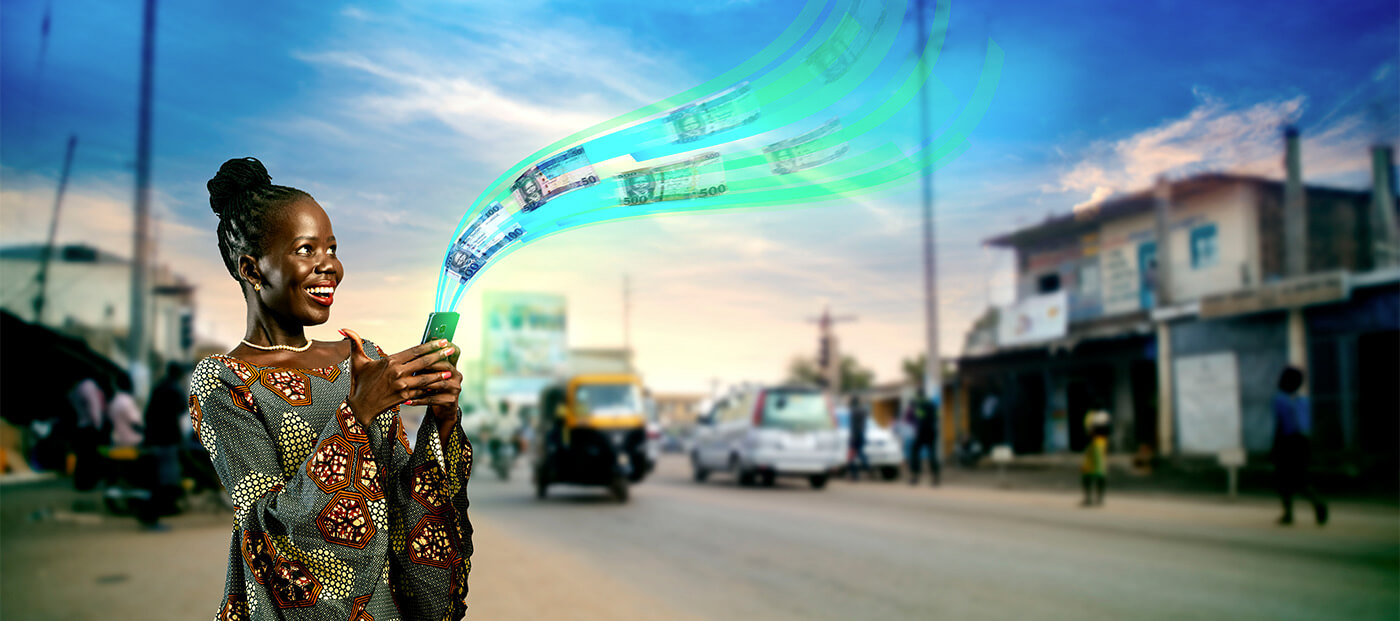
South Sudan mobile money service provider M-Gurush has launched an international money transfer service and in the process expanded its portfolio.
The feature that enables users to send money across Africa and beyond using their phones was officially launched by the Governor of the Central Bank of South Sudan, Jamal Wani Abdalla last week.
Customers who are mainly Zain subscribers will be able to send money digitally across East Africa in form of US Dollars or South Sudanese Pounds from their m-Gurush accounts.
The international remittance will enable m-Gurush registered customers to send and receive money to and from several countries across the globe using mobile money.
“The service will be particularly beneficial to South Sudanese living in East Africa who will now be able to receive money using the existing mobile money service such as M-Pesa in Kenya and MTN Mobile Money in Uganda.
“This will further spur socio-economic activities in South Sudan and digitally connect South Sudan and other East African Community members,” Mr Wani, said as he presided over the launch of the service.
Depending on the recipient’s destination, the customer can either send funds directly to a recipient’s bank account or to a mobile wallet.
At the same time the m-Gurush international money transfer service will enable South Sudanese in diaspora to send money home.
This, Wani said, is a fast, convenient and secure way to support loved ones by sending funds outside the country or receiving money from outside the country.
The service will be accessed by dialling *355# on the Zain network and also through m-Gurush application, which can be downloaded from Google Paly-Store.
“The way we transfer and manage our funds has changed drastically in the last few years. Gone are the days when the only option for sending money abroad was to queue in banks for hours.
“Our customers can hold money in USD (US dollars) or South Sudanese pounds in their m-Gurush mobile wallet. They can initiate an international remittance on their m-Gurush mobile wallet,” Mou Ambrose Thiik, m-Gurush Chief of Operations Officer, explained during the launch.
“The process of sending money using m-Gurush is very simple and convenient. Customers will dial *355# and then select ‘International Remittances’ from their m-Gurush account,” Mr Thiik said.
“As we launch this service, customers can send money to Kenya and Uganda. We will add more countries in the coming weeks,” he added.
The launch of service comes at a time when digital money transfers services such as mobile and electronic banking are being championed by governments to curb the spread of COVID-19.
Joseph Arinaitwe, Vice President of m-Gurush, said South Sudan is one of the most expensive places in the world when it comes to international financial transactions and the new service will help overcome the challenge.
“We are very excited to offer this revolutionary service and it demonstrates our long-standing commitment to proving fast, easy, safe and convenient mobile financial services to our m-Gurush customers. Sub-Saharan Africa and South Sudan in particular is one of the most expensive remittance corridors in the world. A service such as this one will tremendously bring down the cost of international remittance in South Sudan,” he said.
He adds, “From a fiscal policy stand point, this service will increasingly position the South Sudanese Pounds as a currency of choice given that the currency earns its value from its ability to transact. This service will therefore further strengthen the value of our SSP.”
“The international remittance offering will be highly beneficial to especially to business community trading between South Sudan and her sister East African member-states, including ordinary South Sudanese who send funds to friends and families across East Africa,” he reiterated.
International remittances are a lifeline for many people in developing countries. However, the global flow of these funds continues to happen largely through informal channels. The result is less transparency, less security and fewer benefits for the millions who rely on international remittances.