The State must tackle looming cash shortage while there is still time
Warning: Undefined array key 0 in /home2/cityrevi/public_html/wp-content/themes/_city/single.php on line 65
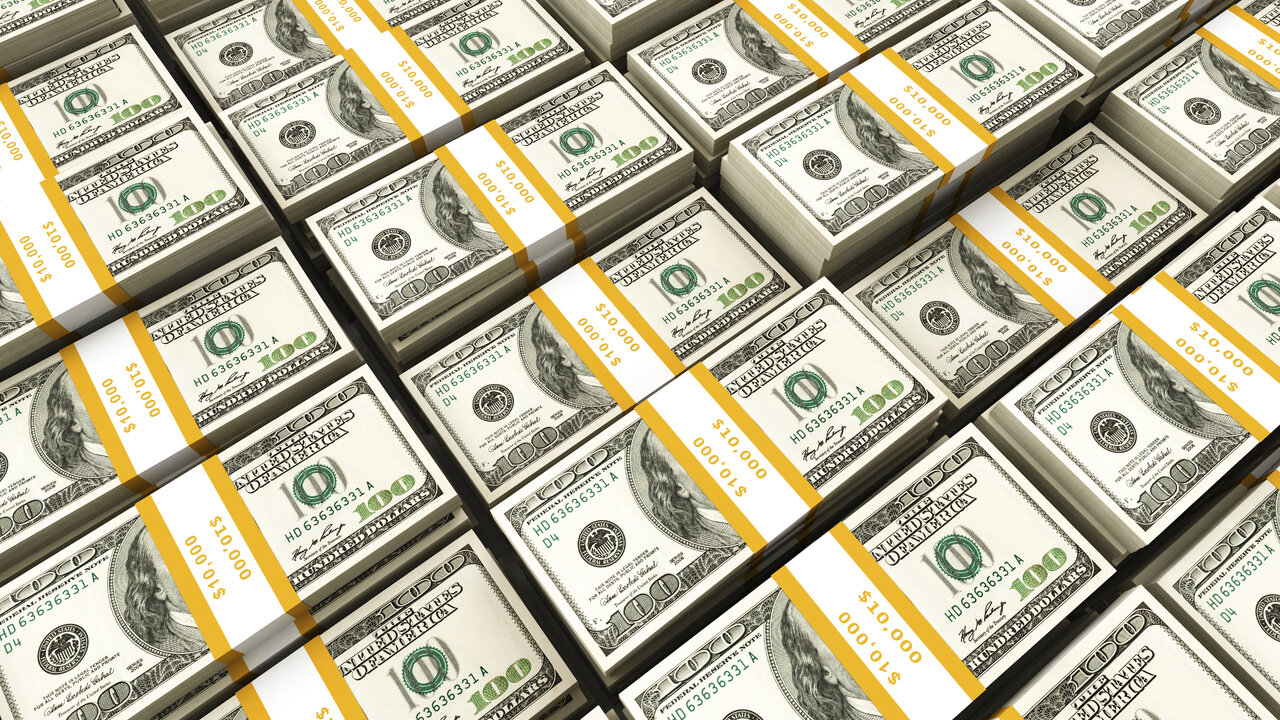
In the world of economics, liquidity crunch signals much more than just a grounded economy but also threatens the extinction of local currency.
The announcement by the Central Bank last week that the national reserve was out of cash coupled with the rising exchange rate in the black market sent shivers down the spines of citizens. A day later, the tone of that information changed by the Central Bank Governor but the message remained unchanged; there is a cash shortage but the government is working with financial partners to address this matter according to Gamal Abdalla Wani.
History tells us that liquidity crunch at a national reserve aggravates the state of an already-faltering economic landscape and inflicts fear in citizens of what may arise as a result. Zimbabwe is a good example in this case.
After helping the Democratic Republic of Congo fight their war of liberation, the veterans who returned to the country teamed up with their domestic counterparts who were viciously fighting against the white minority rule. The war veterans would demand ZW$50,000 each as a reward; they were more 500 ex-combatants.
The former and late President Robert Gabriel Mugabe stood tall against that demand after he was advised by economic technocrats of the possible consequence that could have on the economy. But pressure kept mounting and Mugabe eventually bowed down to the demand of the war veterans and doled out ZW$50,000 to each of the over 500 veterans.
In 2008, the Southern African country plunged into economic chaos. The then Governor of the Central Bank of Zimbabwe (CBZ) Gideon Gono announced the national reserve was empty. What followed were events that would be told for decades. The government opted for more notes to be printed without a realization that it would catapult the situation into a catastrophe.
Within the same year, hyperinflation hit. The country introduced currency denominations which the banking system could no longer accommodate. You probably heard of denominations like millions, billions, and trillions. But what about quintillion and quadrillion? That was in the monetary system of that country.
It was so ironic that everyone became a billionaire who can afford nothing. The government introduced a bearer cheque, which did not serve many purposes in rescuing the situation. The writings were on the wall that the local currency was headed for extinction.
In 2009, after the formation of the Government of National Unity between Mugabe’s Zimbabwe African National Union-Patriotic Front (ZANU-PF) and the Movement for Democratic Change (MDC-T) then led by now the late Dr. Morgan Tsvangirai, the adopted the United States Dollars as their legal tender.
It did not last for long since Zimbabwe, a country under western sanctions had no control over the United Dollars. By 2013, the government adopted the multi-currency system where the South African Rand and other regional currencies were accepted for trading purposes.
From this, the government of South Sudan must understand that a national reserve running empty is a financial emergency.
The impact of low oil prices in the global market and depreciating South Sudanese Pounds has already damped consumption demand and routed liquidity crunch in the system could pile more misery on the worsening economic state.
As it stands, it’s unclear whether the Bretton Woods will extend the credit line which the government desperately needs. But even when the bailout happens, it will only take investment in sectors that are economically productive for the government to repay the debts and quell another possibility of liquidity crunch.