Inject oil money in agriculture to spur growth, gov’t told
Warning: Undefined array key 0 in /home2/cityrevi/public_html/wp-content/themes/_city/single.php on line 65
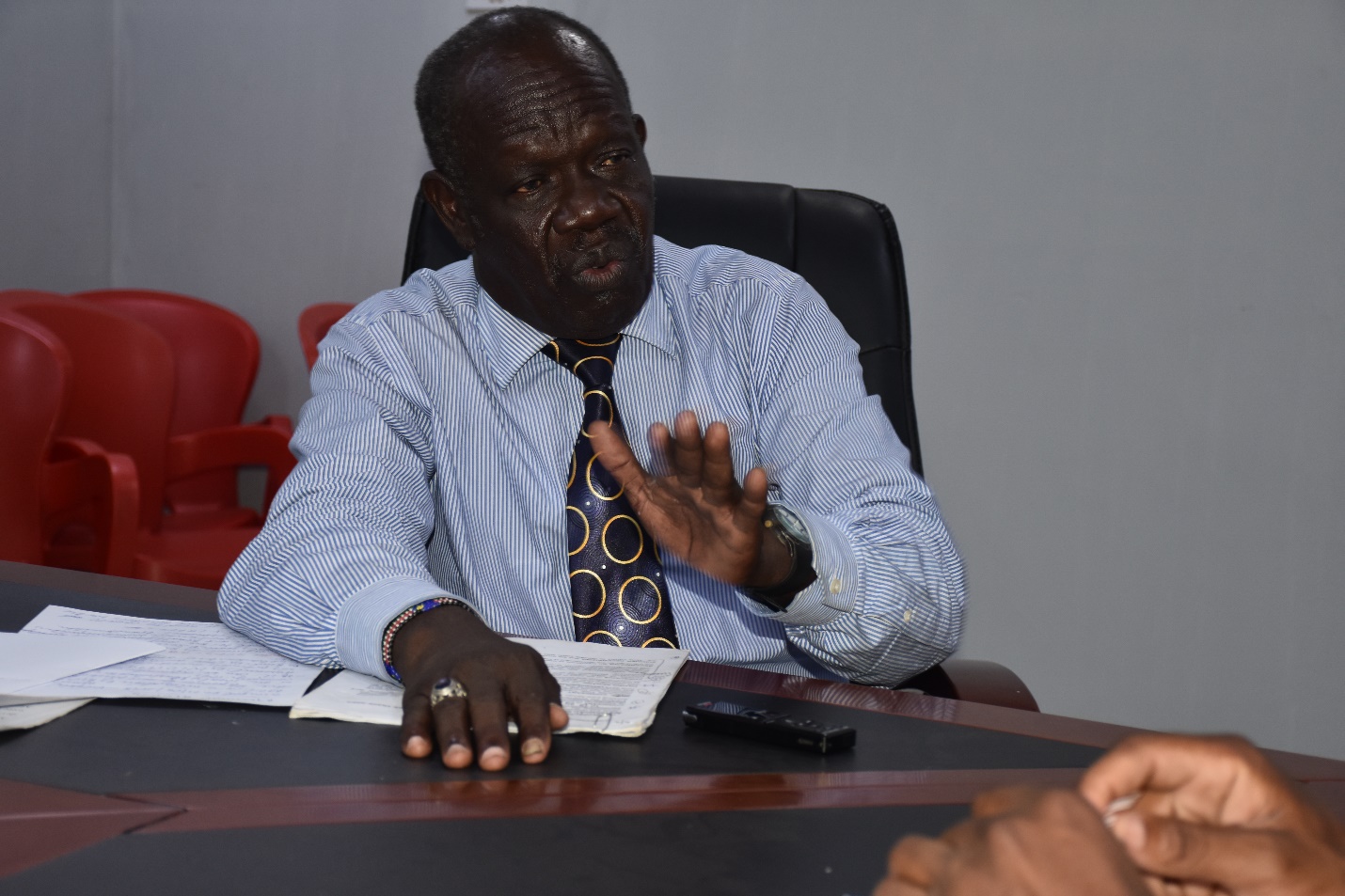
A senior official at the Ministry of Trade and Industry has urged the government to inject oil money into the agricultural sector to boost the economy.
The Director-General for External Trade in the Ministry of Trade and Industry, Stephen Doctor Jorbek, said agriculture should be taken seriously to diversify the economy and make it sustainable.
“We must not rely on petroleum. The oil we have should be used to promote agriculture,” Jorbek told The City Review in an exclusive interview yesterday.
According to Jorbek, South Sudan has only one-sided trade because the country is not producing enough food that can be exported.
“At the moment we depend on the imported products because we produce fewer agricultural products. We had war and just got the independence and with our internal conflicts; we are not producing in full scale,” he revealed.
The official said security was necessary to provide a conducive environment for the investors in the area of trade and industrialization to enable South Sudan to produce more for export.
South Sudan as a member of the East African Community and signatory to the African Continental Free Trade Area [AfCFTA], and the observer to the World Trade Organisation [WTO], has never exported a single of its agricultural produce to the neighboring countries due to low production.
Unlocking potential
On Monday, Mr. Jorbek urged the government to appoint a commercial representative to represent the country in foreign countries to boost export and import.
He said the commercial representatives will do the best thing possible to improve the country’s net export earnings in what he termed as the “broadest meaning of that particular country so that the economy is improved’’.
Earlier this year, the DG said the trade initiative presents an opportunity for South Sudan to come out of the seven-year-long financial crisis by creating jobs and balancing its one-sided trade through the export of locally-made products.
Except for Eritrea, all the 55 African countries signed the ACfTA on March 21, 2018, and were expected to table the agreement before their respective parliaments for ratification to allow uninterrupted free trading among members states.
In June 2021, the report indicated that South Sudan’s trade with Uganda dipped in April with the worth of Ugandan exports dropping to US$37.7 million from US$45.7 million in the previous month. This was a 21 percent decrease.
According to the Ugandan Central Bank, the country registered a setback in the trade with South Sudan and a similar trend replicated in its trade dealings with Kenya.